
Common Issues in Japanese Vehicles — Symptoms, Causes & When to Book Service
How to use this page
Start with symptoms, then confirm with diagnostics

Most common issues we see (Toyota, Honda, Nissan, Subaru, Mazda & Lexus)
These are frequent concerns in Japanese vehicles. If you’re experiencing any of the symptoms below, we’ll confirm the cause with a full diagnostic and provide clear options before any work begins.
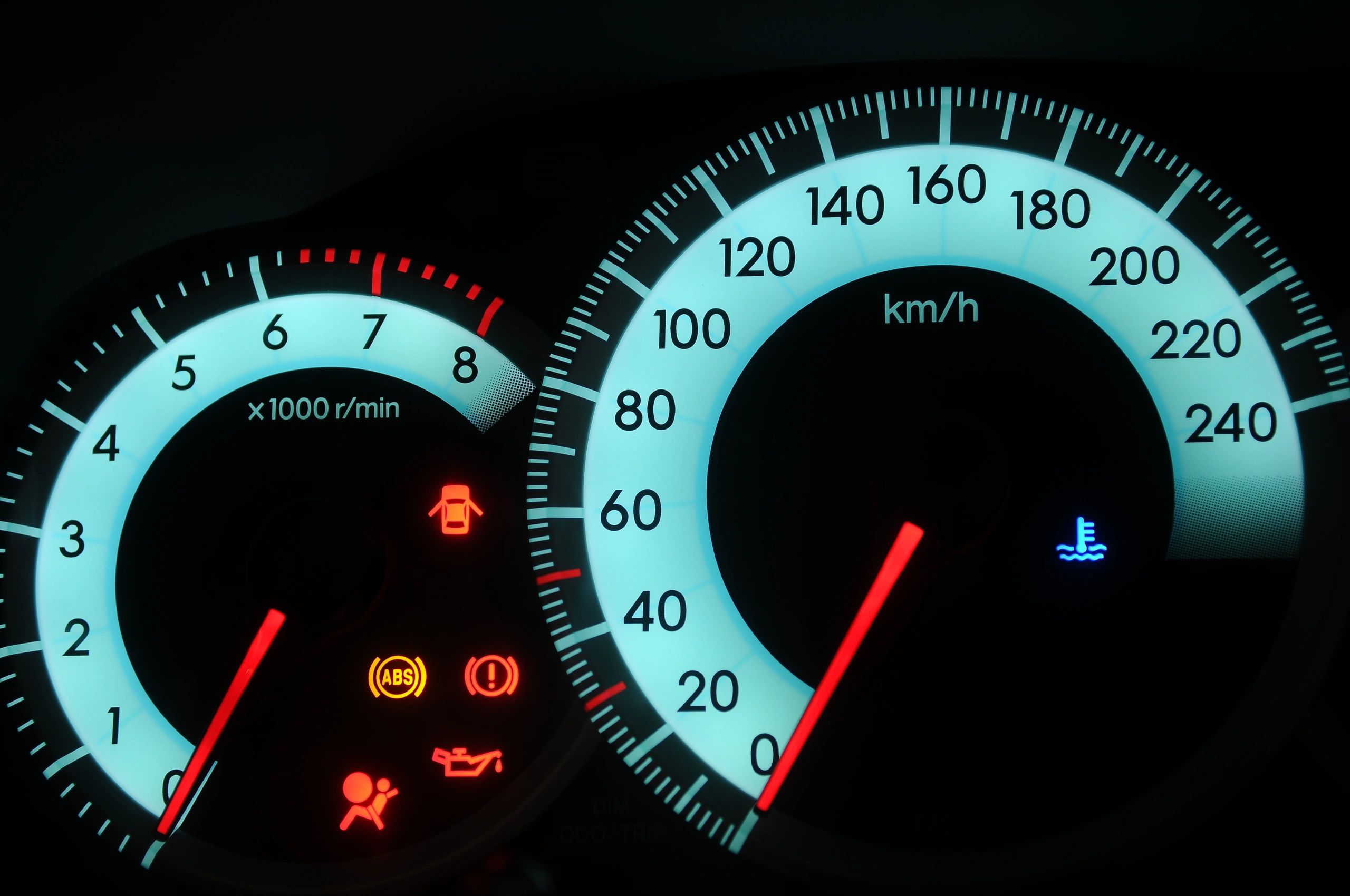
Check engine light (CEL)
From loose gas caps to sensor faults and misfires—don’t ignore it, especially if it’s flashing.
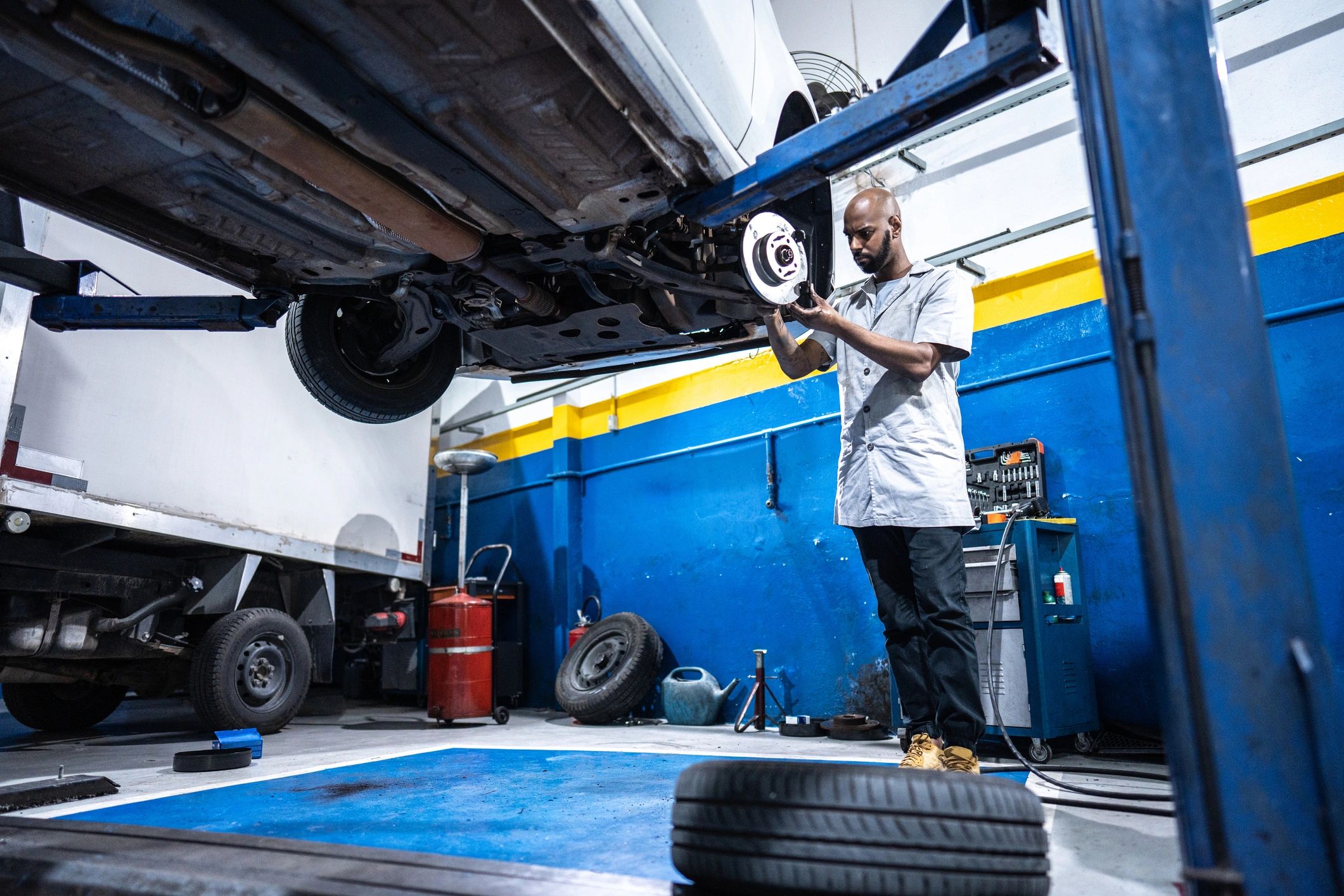
Brake noise or vibration
Squeal, grinding, or steering shake under braking can indicate pad wear, rotor issues, or caliper problems.
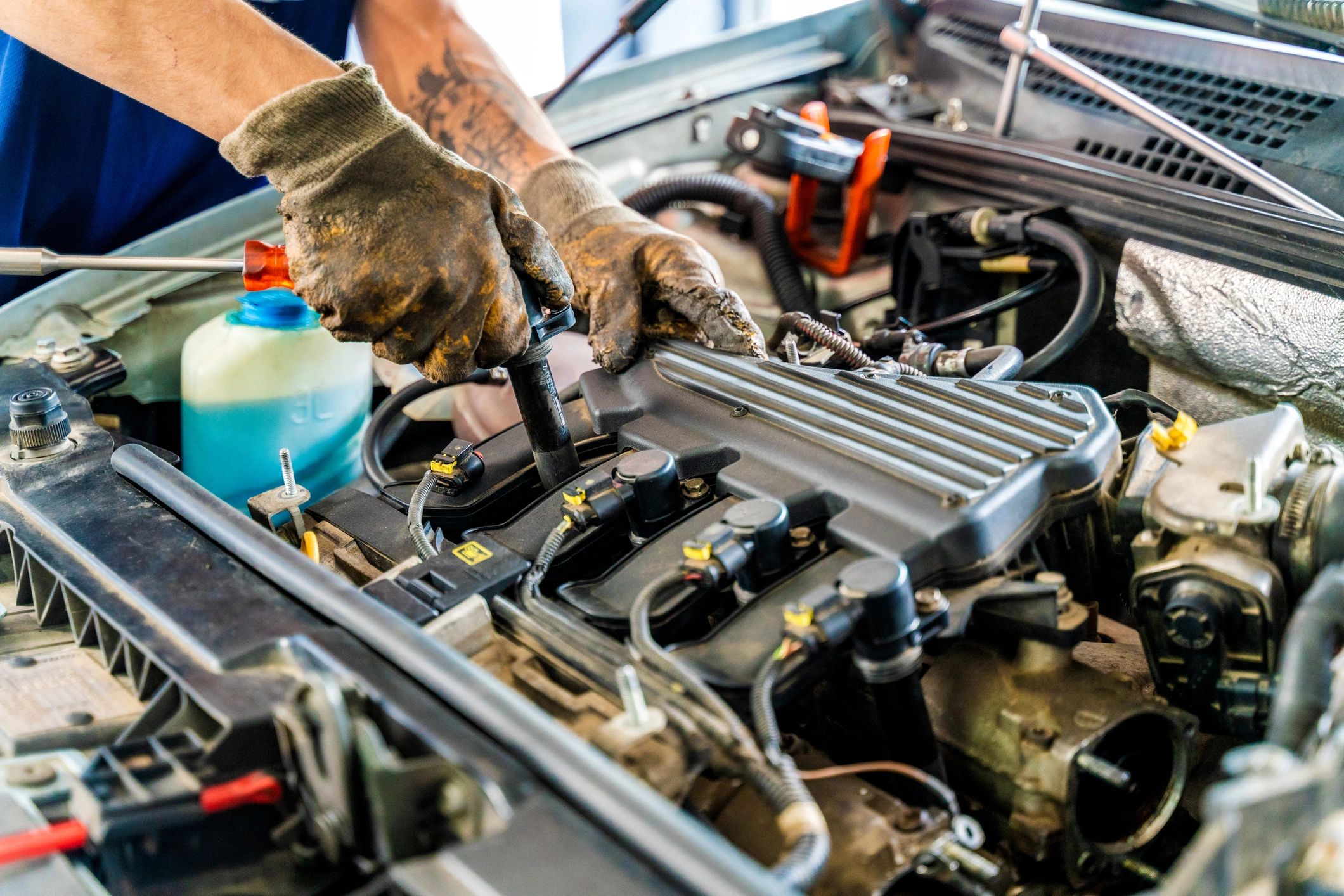
Oil leaks & burning oil smell
Valve cover gaskets, seals, or PCV issues can cause leaks and odors—catch it early to prevent damage.
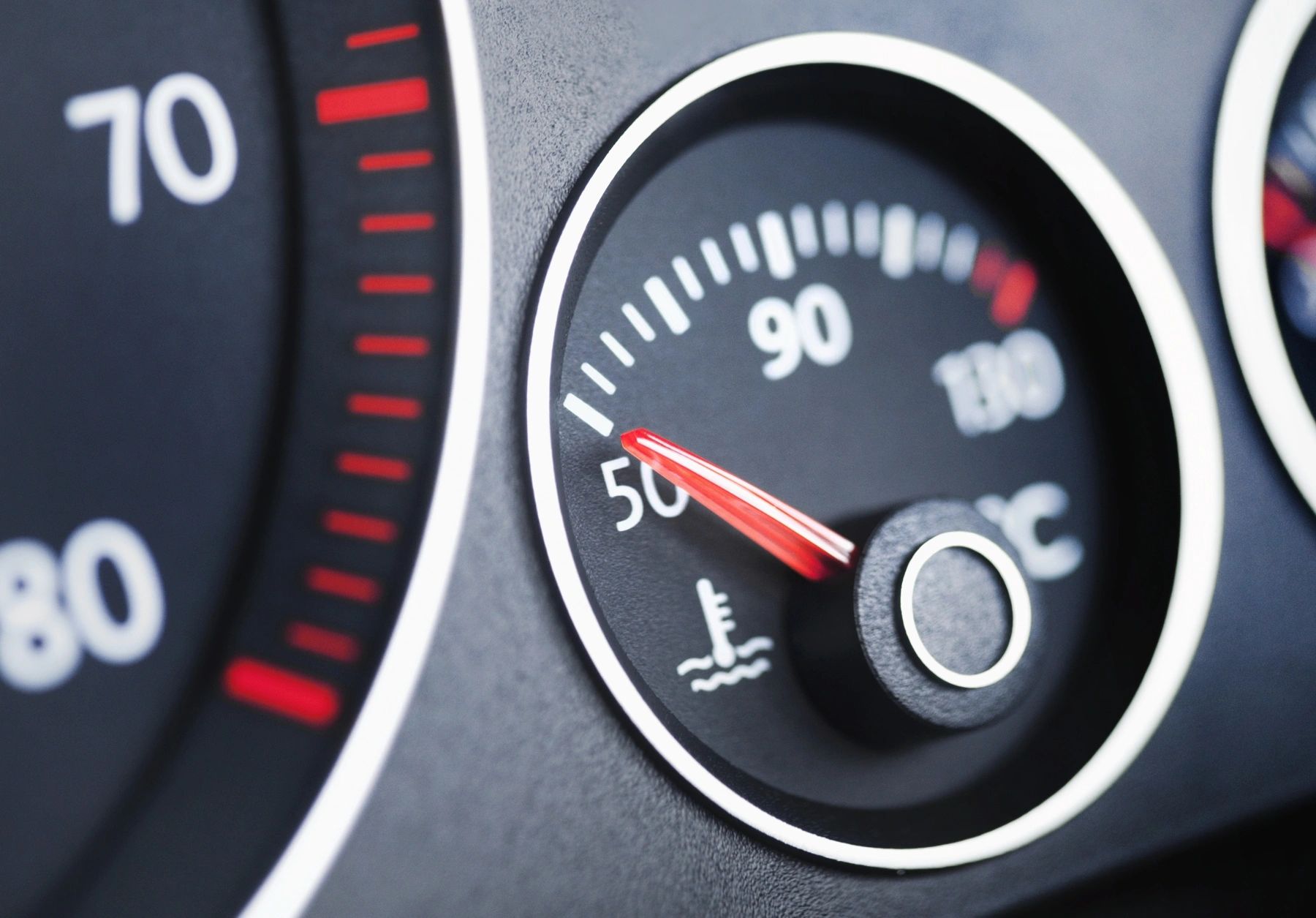
Overheating or coolant loss
Low coolant, radiator issues, water pump failure, or thermostat problems can lead to overheating fast.

Rough idle, hesitation, or stalling
Often related to ignition, fuel delivery, vacuum leaks, or throttle body/airflow concerns.

Transmission shifting concerns
Delayed engagement, slipping, or harsh shifts may point to fluid condition, solenoids, or internal wear.
Quick answers to common symptoms
This is general guidance—your vehicle may have multiple contributing factors. We’ll verify with testing and share findings in plain language.
Is it safe to drive with the check engine light on?
If the light is flashing, stop driving and book service—this can indicate a severe misfire that may damage the catalytic converter. If it’s steady, drive gently and schedule diagnostics soon.
Why does my car shake when braking?
Common causes include rotor thickness variation, worn pads, seized calipers, or suspension issues. We’ll measure rotors, inspect hardware, and road test to confirm.
What causes a burning oil smell?
Oil leaking onto hot components (like the exhaust), a failing gasket/seal, or PCV system issues. We’ll locate the leak source and check for related pressure/ventilation problems.
My car overheats only in traffic—why?
Often related to cooling fan operation, airflow restrictions, low coolant, or a thermostat/water pump issue. We’ll pressure test the system and verify fan control and coolant flow.
Why is my transmission shifting hard or slipping?
Fluid condition/level, adaptive shift learning, solenoid issues, or internal wear can all contribute. We’ll scan for codes, evaluate data, and recommend the most cost-effective path.
How do you diagnose intermittent problems?
We combine scan data, freeze-frame info, road testing, and targeted inspections. For intermittent concerns, we may recommend monitoring, smoke testing, or extended diagnostics to reproduce the issue.